Solid surface sheets—beloved for their durability, versatility, and seamless aesthetics—are a top choice for countertops, vanities, and custom furniture. But mastering the art of cutting and polishing these materials (like Corian, Staron, or Hanex) requires more than basic DIY skills. Even small missteps can lead to chipping, uneven edges, or dull finishes that ruin the final look.
To help you elevate your craft, we’ve compiled 10 professional secrets from industry experts. Whether you’re a seasoned fabricator or a DIY enthusiast tackling your first project, these tips will ensure precision, efficiency, and a showroom-worthy finish.
The biggest mistake beginners make? Using a standard wood-cutting blade on solid surface sheets. Solid surface is a composite of resin, filler, and pigments—harder than wood but more brittle than stone.
Pro Tip: Use a carbide-tipped circular saw blade with 80–100 teeth (for straight cuts) or a jigsaw with a bi-metal blade (for curved cuts). The fine teeth minimize tear-out and prevent the material from cracking. Avoid abrasive blades (like those for concrete)—they’ll melt the resin and leave a rough edge.
Solid surface scratches easily—even a sharp pencil can leave a permanent mark. Masking tape solves two problems: it protects the surface from scratches and creates a clear, easy-to-follow cutting line.
Pro Tip: Apply 1–2 strips of low-tack masking tape (3M ScotchBlue is ideal) along your intended cut line. Use a pencil or marker to draw directly on the tape—when you peel it off later, the surface will be scratch-free. For precision, use a straightedge or square to ensure your line is perfectly straight.
Rushing a cut is the #1 cause of chipping and cracking. Solid surface needs time to be cut cleanly—too much speed will cause the blade to “grab” the material, while too little speed will melt the resin (leaving a sticky, uneven edge).
Pro Tip: For circular saws, set the speed to 3,000–4,000 RPM (check your blade’s manufacturer guidelines). Push the saw at a consistent pace—aim for 1–2 feet per minute. If you hear a high-pitched squeal or see melted resin, slow down. For jigsaws, use a medium speed and let the blade do the work—don’t force it through the material.
Even the cleanest cut will have tiny burrs or uneven spots—sanding right after cutting prevents these flaws from becoming harder to fix later. Start with a coarse grit to shape the edge, then work your way to finer grits for smoothness.
Pro Tip: Use a random orbital sander (for flat edges) or a hand sanding block (for tight corners) with 80-grit sandpaper. Sand in the direction of the cut (not back and forth) to avoid creating cross-grain scratches. Focus on removing any chipped areas—apply light pressure, as too much force can gouge the surface.
Skipping grits is a common error that leads to visible scratch lines. To get a perfectly smooth edge, you need to “level up” your sandpaper gradually—each finer grit erases the scratches left by the previous one.
Pro Tip: Follow this grit sequence: 80-grit (rough shaping) → 120-grit (smooth rough scratches) → 240-grit (prep for polishing) → 400-grit (final smoothness). After each grit, wipe the surface with a dry cloth to remove dust—this lets you check if all scratches are gone before moving on. For curved edges, use flexible sanding pads to follow the contour.
Solid surface’s signature shine comes from professional polishing compounds—household products like toothpaste or metal polish are too abrasive (they’ll scratch the surface) or too weak (they won’t create a lasting glow).
Pro Tip: Choose a solid surface polishing compound (like DuPont Polishing Creme) or a high-gloss automotive polish (non-abrasive). Pair it with a wool buffing pad—wool holds more compound and creates heat, which helps activate the polish for a mirror finish.
Overheating is a silent enemy of solid surface. When you buff too hard or with a dry pad, friction melts the resin, leaving a cloudy, uneven finish that’s hard to fix.
Pro Tip: Spritz the buffing pad with water (or a 50/50 mix of water and rubbing alcohol) every 30 seconds. The moisture cools the pad and prevents resin from sticking. Buff in small, circular motions—cover 6–8 inch sections at a time, and stop when the surface feels slightly warm (not hot).
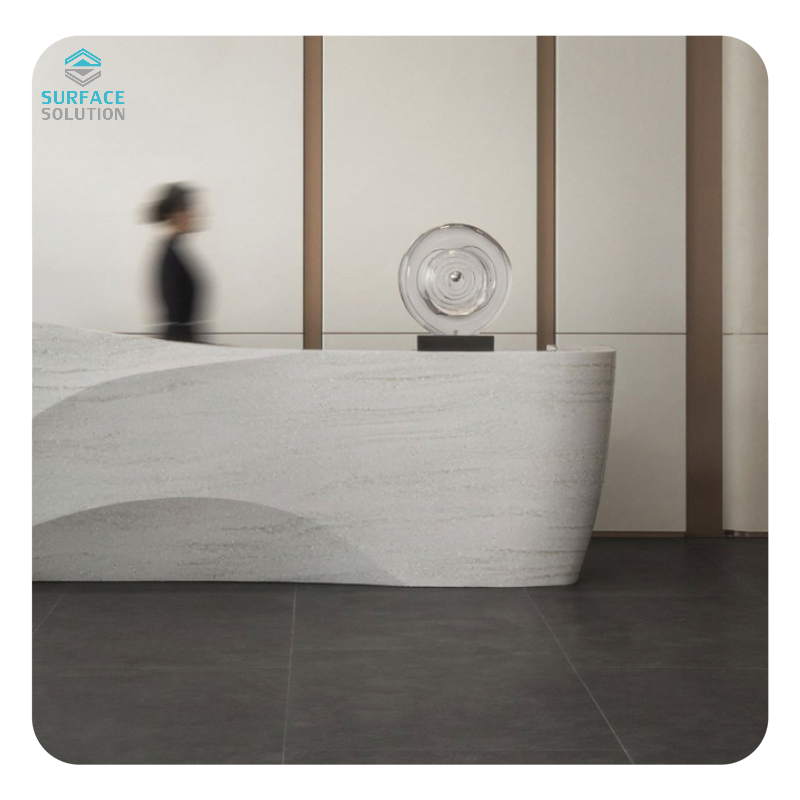
Straight edges are easy—but curved, beveled, or bullnose edges require tools that can follow the shape without damaging the material.
Pro Tip: For bullnose edges (rounded tops), use a bullnose router bit (carbide-tipped) to shape the edge before sanding. For tight curves (like sink cutouts), use a die grinder with a sanding drum (80-grit for shaping, 240-grit for smoothing). Always clamp the material securely to a workbench—slip-ups with curved cuts are hard to repair.
Even tiny bits of polishing compound or dust can ruin the finish—they’ll show up as streaks or dull spots once the surface is dry.
Pro Tip: Wipe the surface first with a microfiber cloth to remove loose dust. Then, use a damp, lint-free cloth (with warm water and a mild dish soap, if needed) to wipe away any remaining compound. Dry immediately with a clean microfiber cloth—this prevents water spots. For extra shine, buff lightly with a dry wool pad for 10–15 seconds.
Dull blades, worn sandpaper, or frayed buffing pads will never give you a professional finish. Even the best tools wear out over time—inspecting them before each project saves time and frustration.
Pro Tip: Check saw blades for missing or chipped teeth—replace them if you see any damage. Sandpaper should be replaced when it’s clogged with resin (it will stop removing material). Wool buffing pads need replacing when the fibers are matted or frayed—worn pads leave lint and uneven polish.
Solid surface cutting and polishing take time to master—but with these pro secrets, you’ll avoid common mistakes and create results that look like they were done by a professional. Start with a small scrap piece (most suppliers sell offcuts) to test tools and techniques before tackling your main project.
Ready to get started? Share your project in the comments below—we’d love to see your flawless solid surface creations!
Bonus: Download our free “Solid Surface Cutting & Polishing Checklist” to keep these tips handy on the job.
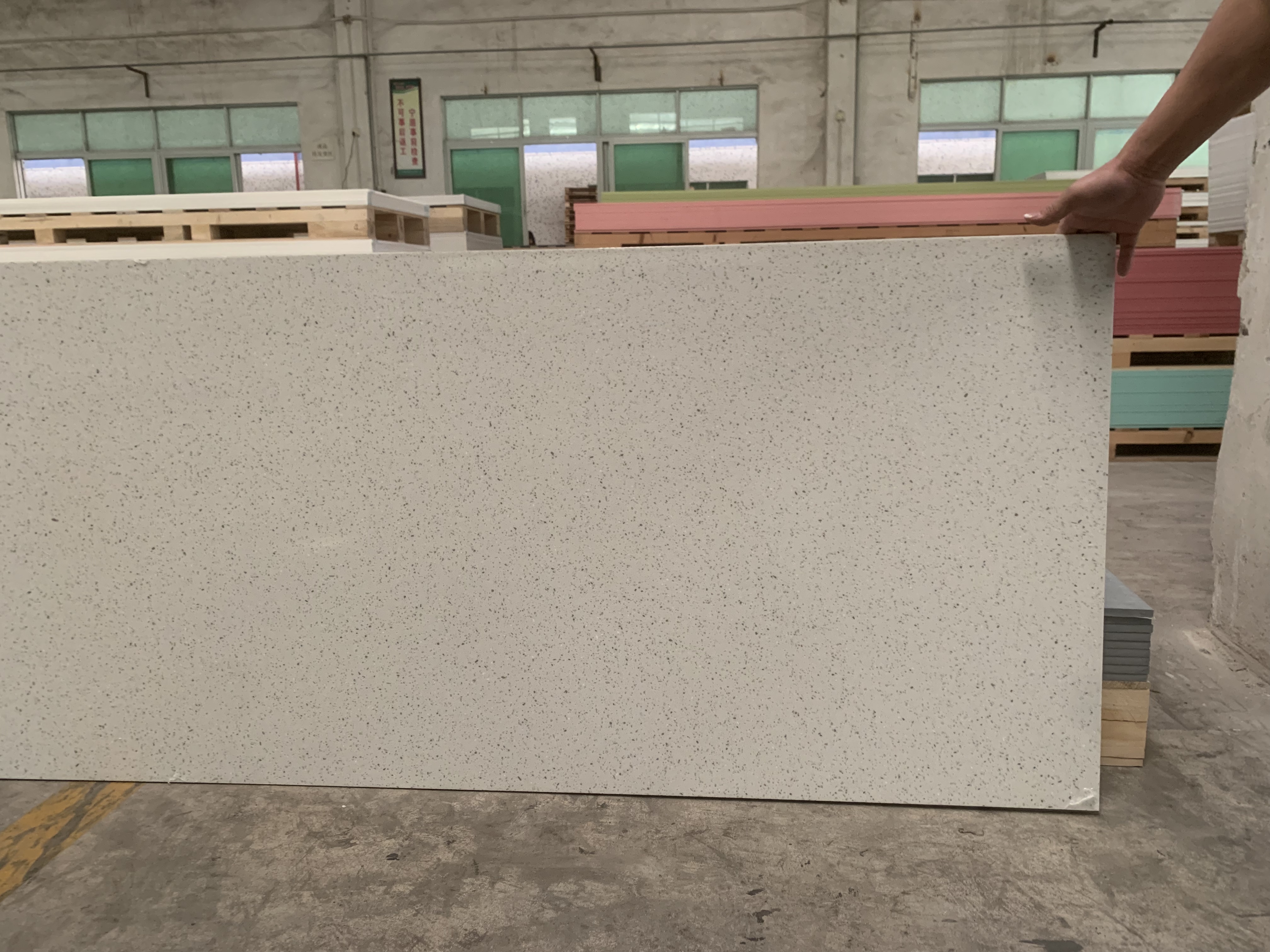
kitchen bench top
bench tops for kitchen
surface solid


