
- All
- Product Name
- Product Keyword
- Product Model
- Product Summary
- Product Description
- Multi Field Search


Views: 0 Author: Site Editor Publish Time: 2025-11-22 Origin: Site


When planning a renovation for your kitchen or bathroom, choosing the right countertop material is one of the most critical decisions you'll make. The surface you select impacts not only the look and feel of the space but also its functionality and long-term durability. While materials like granite, quartz, and marble often dominate the conversation, there's another contender worth serious consideration: solid surface slabs.
Solid surface materials offer a unique combination of beauty, durability, and versatility that makes them an excellent choice for a wide range of applications. They are engineered to provide a seamless, non-porous finish that is both elegant and highly practical. This guide will walk you through everything you need to know about solid surface slabs, from what they are and their benefits, to how they compare with other popular materials. By the end, you'll understand why this innovative material might be the perfect fit for your next project.
A solid surface slab is a man-made material composed of a blend of acrylic or polyester resins, mineral fillers (primarily alumina trihydrate, or ATH), and pigments. This mixture is heated and poured into molds to create dense, uniform sheets. The result is a non-porous, homogenous material, meaning its color and composition are consistent all the way through.
Unlike laminate, which has a thin decorative layer over a particleboard core, or natural stone, which can have variations and fissures, solid surface is consistent from top to bottom. This unique construction is what gives solid surface slabs their signature smooth, seamless appearance and makes them incredibly easy to repair if scratched or damaged. Brands like Letu Surface have perfected this manufacturing process, producing high-quality slabs that are both beautiful and built to last.
Solid surface slabs have gained popularity among homeowners, designers, and architects for several compelling reasons. Their engineered nature allows them to overcome many of the drawbacks associated with natural materials.
One of the most significant benefits of solid surface is the ability to create virtually invisible seams. Installers can join pieces together using a special adhesive that fuses the slabs, creating a continuous, monolithic look. This is especially advantageous for large countertops or complex designs with integrated sinks. Because there are no gaps or grout lines, there's nowhere for bacteria, mold, or mildew to grow, making solid surface an incredibly hygienic choice for kitchens and bathrooms.
The non-porous nature of solid surface means that liquids can't penetrate the material. Spills like wine, coffee, or oil can be wiped away easily without leaving a lasting stain. This resistance to moisture also prevents the material from warping or deteriorating over time, which is a common issue with materials like wood or laminate.
Solid surface slabs are designed to withstand the demands of daily life. They are resistant to impact, and because the color runs through the entire thickness of the material, minor scratches and scuffs can be easily buffed out with a light abrasive pad. For deeper gouges or cracks, a professional can seamlessly patch the area, restoring the surface to its original condition. This reparability gives solid surface a long lifespan and makes it a cost-effective investment.
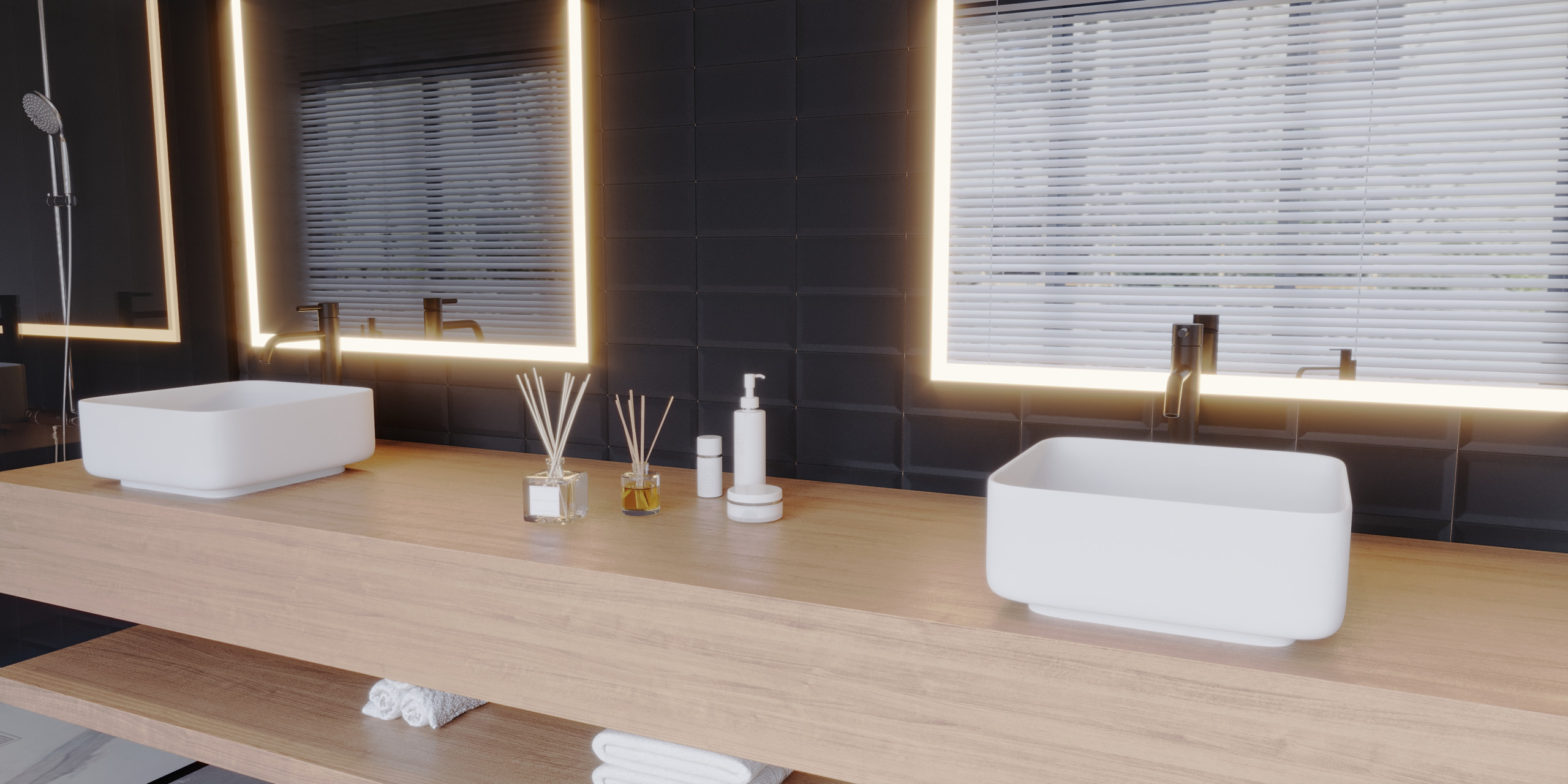
The manufacturing process for solid surface allows for an incredible range of design possibilities. Slabs are available in hundreds of colors, patterns, and finishes, from solid whites and grays to designs that mimic the look of natural stone like marble or granite. Additionally, the material can be thermoformed—heated and bent into curved or custom shapes—allowing for creative installations like integrated backsplashes, coved corners, and unique furniture designs. Letu Surface, for instance, offers an extensive palette to suit any aesthetic, from minimalist to traditional.
To make an informed decision, it's helpful to see how solid surface slabs stack up against other popular countertop options.
Feature | Solid Surface | Granite | Quartz | Laminate |
Composition | Acrylic/polyester resin blend | Natural stone | Engineered quartz crystals & resin | Plastic layer over particleboard |
Appearance | Seamless, uniform | Natural veining, unique | Consistent pattern, visible seams | Wide variety, visible seams |
Porosity | Non-porous | Porous, requires sealing | Non-porous | Non-porous surface, porous core |
Stain Resistance | Excellent | Good (when sealed) | Excellent | Good (surface only) |
Heat Resistance | Moderate (use trivets) | Excellent | Good (can discolor) | Poor |
Durability | Durable, scratch-resistant | Very durable, can chip | Very durable, scratch-resistant | Prone to scratches and chips |
Repairability | Excellent, easily repairable | Difficult to repair | Difficult to repair | Not repairable |
Cost | Mid-range | Mid-to-high range | Mid-to-high range | Low-range |
As the table shows, solid surface slabs occupy a sweet spot in the market. They offer superior hygiene and reparability compared to natural stone and are significantly more durable and premium-feeling than laminate, all at a competitive price point.
Choosing a countertop is a personal decision that depends on your budget, lifestyle, and design preferences. Solid surface is an excellent option for those who prioritize:
· A clean, seamless look: If you love modern, minimalist aesthetics, the invisible seams of a solid surface are hard to beat.
· Hygiene and low maintenance: For busy families or anyone who wants a surface that's easy to clean and keep germ-free, the non-porous nature of solid surface is a major plus.
· Long-term value: While not the cheapest option, the durability and reparability of solid surface make it a smart investment that will look great for years.
· Creative freedom: If you have a unique design in mind, the versatility and thermoforming capabilities of solid surface can bring your vision to life.
However, it's important to note that solid surface is not as heat-resistant as granite. You'll need to use trivets or hot pads to protect the surface from hot pots and pans.
Solid surface slabs represent a perfect marriage of form and function. They deliver the high-end look of natural stone with the practical benefits of an engineered material. With their seamless appearance, hygienic properties, and impressive durability, they provide a versatile and stylish solution for any home.
If you're ready to explore how this innovative material can transform your kitchen or bathroom, consider exploring the wide range of options from a quality provider like Letu Surface. By choosing solid surface, you're not just getting a new countertop—you're investing in a beautiful, long-lasting foundation for your daily life.


