As 2025 unfolds, the global materials landscape is witnessing a paradigm shift toward solutions that balance aesthetic innovation, functional performance, and environmental responsibility. Among these, acrylic solid surface has emerged as a standout choice for architects, designers, homeowners, and commercial pro
jec managers alike. More than just a decorative material, it has evolved into a versatile, future-forward solution reshaping spaces from luxury kitchens to cutting-edge healthcare facilities. Let’s explore why acrylic solid surface is dominating 2025’s design conversations—and what makes it the material of choice for tomorrow’s built environments.
1. Market Growth & Industry Momentum: A Global Surge
The acrylic solid surface industry is experiencing unprecedented growth, driven by rising demand for high-performance, eco-friendly materials. Globally, the market is projected to reach \(45 billion in 2025**, with a compound annual growth rate (CAGR) of 6.5% through 2030. China, the world’s largest consumer and producer, is leading this expansion: its domestic market is expected to hit **\) 11.2 billion in 2025 (92.3 billion RMB) with an 8% year-over-year growth rate—outpacing the global average.
This growth is fueled by three key drivers:
Infrastructure & Renovation: With global residential and commercial renovation investments exceeding $7.8 trillion in 2025, acrylic solid surface is gaining traction for its durability and design adaptability.tPolicy Support: Governments worldwide, including China’s "14th Five-Year Plan for New Materials" and the EU’s green building regulations, are prioritizing low-VOC, recyclable materials—areas where acrylic solid surface excels.
Emerging Markets: 亚太地区 (Asia-Pacific) is contributing 65% of global demand growth, with India, Vietnam, and Southeast Asia seeing double-digit increases as infrastructure development accelerates.
2. 2025’s Game-Changing Advantages: Why Acrylic Outshines Competitors
In 2025, acrylic solid surface’s unique combination of properties has solidified its position as a superior alternative to quartz, natural stone, and traditional synthetic materials. Here’s how it stands out:
Unmatched Design Flexibility
Acrylic solid surface redefines creative freedom. Unlike rigid quartz (limited to prefabricated slabs) or porous natural stone, acrylic can be thermoformed at 150°C into seamless, sculptural shapes—from waterfall countertops and integrated sinks to curved backsplashes and custom architectural features. Leading brands like Corian® and Hi-Macs® are pushing boundaries: Corian’s Nature Inspired Collection mimics natural stone textures with hyper-realistic veining, while Hi-Macs®’ Intense Ultra Line offers deep, saturated colors paired with sharp, precise curves.
Seamless installation eliminates unsightly joints, enhancing both aesthetics and hygiene—a critical advantage for commercial spaces and high-end residences.
Durability That Endures Daily Life
While quartz boasts a higher Mohs hardness rating (7.5), acrylic solid surface delivers practical durability for real-world use. Its impact-resistant composition and self-healing properties allow light scratches to be buffed out with sandpaper, and even deep damage can be repaired on-site—avoiding the costly slab replacement required for quartz or natural stone.
Case in point: Luxury hotels worldwide rely on Kingkonree’s acrylic bathtubs and surfaces to withstand heavy foot traffic and frequent use, maintaining a flawless appearance for years. Additionally, 2025’s advanced formulations offer enhanced UV resistance, preventing yellowing or fading—addressing a historic limitation and expanding its use to outdoor kitchens and poolside areas.
Hygiene & Sustainability: Non-Negotiable in 2025
As health and environmental consciousness take center stage, acrylic solid surface’s non-porous structure has become a key selling point. It resists bacteria, mold, and stains, meeting NSF/ANSI 51 certification for food safety and Greenguard Gold certification for low-VOC emissions—critical for kitchens, bathrooms, and healthcare facilities. Hi-Macs® further elevates this with built-in antimicrobial properties, making it the top choice for hospitals and commercial kitchens.
Sustainability is another cornerstone of 2025’s acrylic solid surface innovation. Brands like Staron® now incorporate up to 29% recycled content, with SCS-certified transparency in their supply chains. The industry is also moving toward circular production: 2025 sees a 34.5% market share for recyclable acrylic products, up from 31% in 2023, as manufacturers adopt low-carbon manufacturing processes and waste-reduction initiatives.
3. 2025’s Hottest Applications: From Residences to Commercial Spaces
Acrylic solid surface’s versatility has expanded its reach across industries, with three key sectors leading demand:
Residential Design
In homes, acrylic solid surface is the go-to for kitchens (countertops, backsplashes), bathrooms (vanities, shower walls), and custom furniture. The rise of customization has driven demand for unique colors and shapes—acrylic’s ability to match any decor style, from minimalist modern to rustic traditional, makes it a favorite among interior designers.
Commercial & Healthcare
The commercial sector accounts for 40% of acrylic solid surface demand, with healthcare leading the way. Hospitals, clinics, and laboratories prioritize its antimicrobial, easy-to-clean properties—global medical-grade acrylic surface sales are projected to grow 12% in 2025, reaching $19 billion. Hotels, restaurants, and office buildings also rely on it for high-traffic areas, thanks to its durability and seamless hygiene.
Emerging Industries
2025 sees acrylic solid surface expanding into new territories:
4. Top Brands Shaping 2025’s Acrylic Solid Surface Landscape
The industry is led by innovators pushing the boundaries of design, sustainability, and performance:
Staron®: A sustainability pioneer, Staron’s Green Promise 2030 initiative aims for carbon neutrality, with its Aurora Collection offering iridescent, light-shifting finishes.
5. The Future Beyond 2025: What’s Next?
As we look ahead, acrylic solid surface is poised for even greater innovation:
Supply Chain Evolution: Regional production hubs in Asia, North America, and Europe will strengthen, with "North American design + Asian manufacturing + European certification" becoming the standard supply chain model.
Final Thoughts: Why Acrylic Solid Surface Is 2025’s Must-Have Material
In 2025, acrylic solid surface isn’t just a material—it’s a solution that balances beauty, performance, and responsibility. Its design flexibility, durability, hygiene, and sustainability make it ideal for any project, from a small bathroom renovation to a large-scale commercial development. As the industry grows and innovates, acrylic solid surface is set to remain at the forefront of modern design—proving that functionality and aesthetics can coexist with environmental consciousness.
Whether you’re a homeowner, designer, or project manager, 2025 is the year to embrace acrylic solid surface: the material that’s building the future of spaces we live, work, and play in.
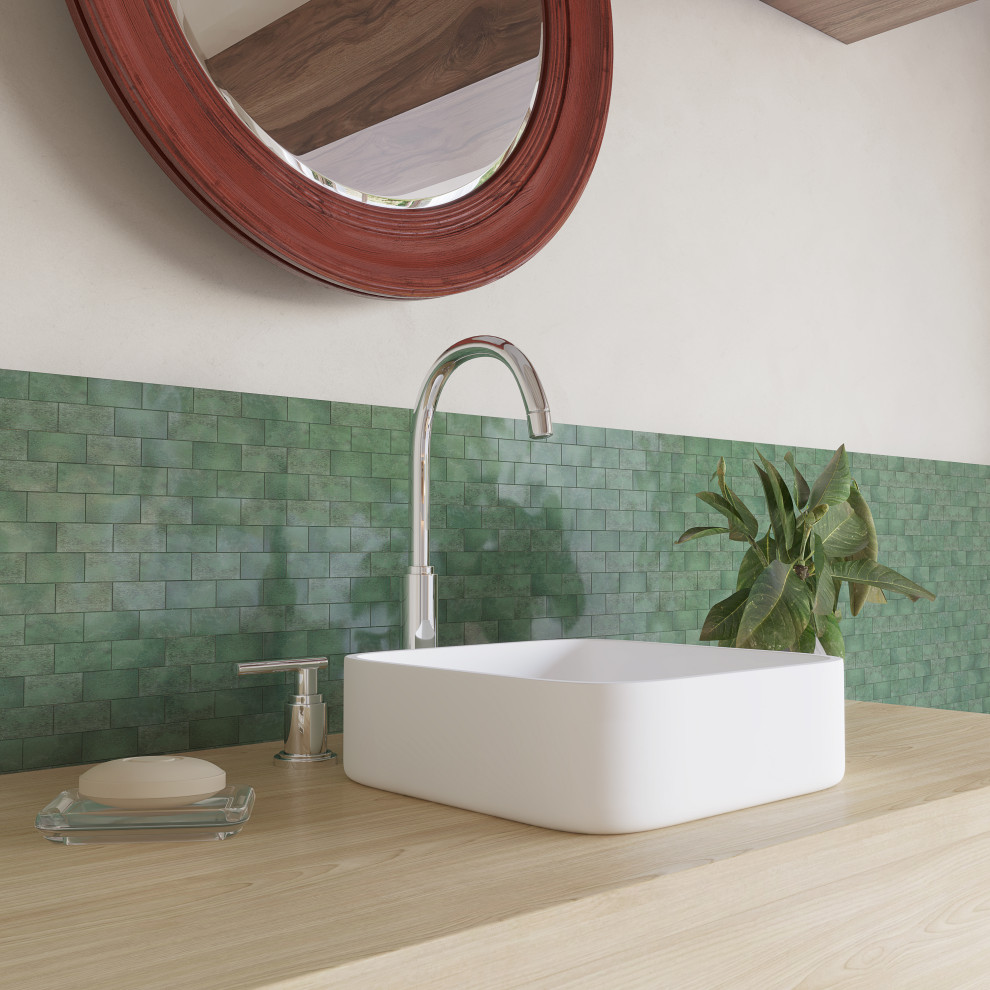
modified acrylic solid surface
solid surface
counter top


