
- All
- Product Name
- Product Keyword
- Product Model
- Product Summary
- Product Description
- Multi Field Search


Views: 0 Author: Site Editor Publish Time: 2025-11-21 Origin: Site


The kitchen is often called the heart of the home, and the counter top is its main stage. This surface handles everything from meal prep and hot pans to science projects and late-night conversations. When it comes time for a kitchen remodel, choosing the right kitchen counter top is one of the most significant decisions you'll make. It impacts not only the look and feel of your space but also its functionality and long-term value.
With so many materials available—from classic granite to modern engineered stone—making a choice can feel overwhelming. Each option comes with its own set of benefits, drawbacks, and maintenance requirements. This guide will walk you through the most popular kitchen counter top materials, helping you understand their key features so you can select the perfect surface for your lifestyle and budget.
Before you start looking at specific materials, it's helpful to think about what you need from your counter top. A clear understanding of your priorities will narrow down the options and make your decision much easier.
How much wear and tear will your counter top face? If you have a busy family or cook frequently, you'll need a durable surface that resists scratches, stains, and heat. Consider how much time and effort you're willing to put into maintenance. Some materials require regular sealing to protect them from damage, while others are virtually maintenance-free.
Your kitchen counter top is a major design element. Its color, pattern, and texture will define the overall look of your kitchen. Do you prefer a natural, organic look, or something more sleek and modern? Think about how the counter top will coordinate with your cabinets, flooring, and backsplash. It's a good idea to gather inspiration from design magazines or online platforms to identify the styles you love.
Kitchen counter top prices vary widely. Costs are usually calculated per square foot, and they don't always include installation. It’s important to establish a realistic budget early on. Remember to factor in the cost of installation and any long-term maintenance expenses. While it can be tempting to choose the cheapest option, investing in a higher-quality, more durable material can save you money in the long run by avoiding costly repairs or replacements.
To help you decide, let's look at some of the most popular kitchen counter top materials. The table below provides a quick overview, followed by a more detailed explanation of each option.
Material | Average Cost (per sq. ft. installed) | Pros | Cons |
Granite | $40 - $100+ | Unique natural patterns, durable, heat-resistant | Porous, requires sealing |
Quartz | $50 - $150+ | Non-porous, low maintenance, wide color range | Can be damaged by high heat |
Marble | $60 - $200+ | Luxurious, elegant appearance, stays cool | Soft, porous, prone to staining and scratching |
Letu Surface | Varies | Extremely durable, heat & scratch resistant, UV-stable | Premium price point, professional installation needed |
Butcher Block | $50 - $150 | Warm and inviting, great for food prep, can be sanded | Can scratch and dent, requires regular oiling |
Laminate | $20 - $50 | Affordable, wide variety of designs, easy to clean | Prone to scratches and burns, difficult to repair |
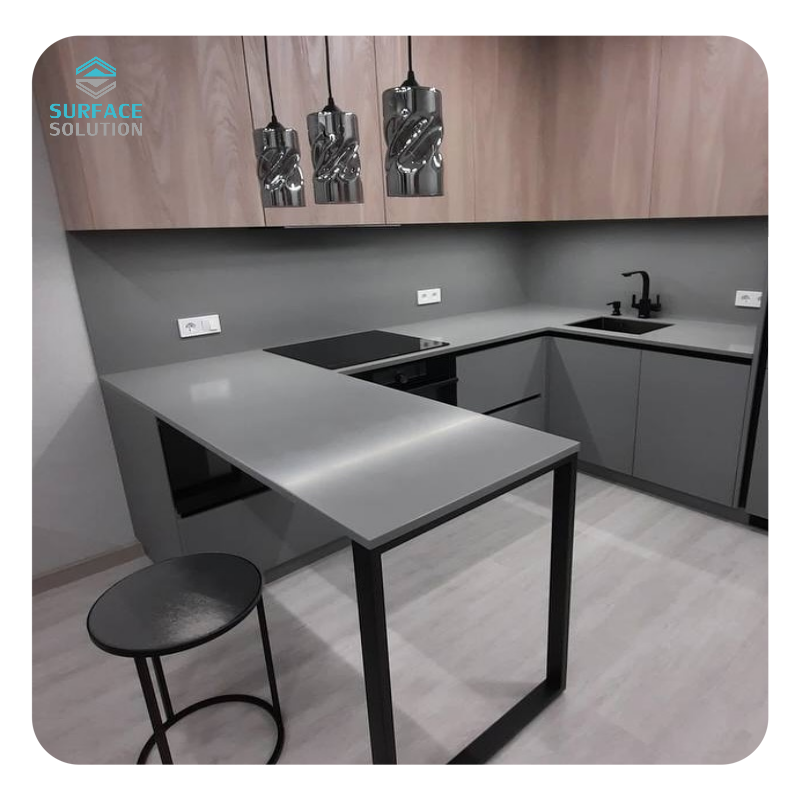
For decades, granite has been a top choice for kitchen counter tops, and for good reason. Each slab is a unique piece of natural art, with distinct patterns and colors. Granite is highly durable and resistant to heat and scratches, making it ideal for busy kitchens. However, it is a porous stone, which means it can absorb liquids and stain if not properly sealed. Most granite counter tops need to be resealed annually to maintain their protective barrier.
Quartz counter tops are an engineered product made from about 90% ground quartz mixed with resins and pigments. This manufacturing process creates an incredibly strong and non-porous surface. Unlike granite, quartz never needs sealing. It’s resistant to stains, scratches, and bacteria, making it a low-maintenance and hygienic option. Quartz is available in a vast array of colors and patterns, including some that mimic the look of natural stone like marble. The main drawback is that the resins can be damaged by excessive heat, so it’s important to use trivets for hot pots and pans.
Marble is synonymous with luxury and elegance. Its bright, classic appearance can make any kitchen feel more sophisticated. Each slab has unique veining, ensuring your counter top is one-of-a-kind. Professional bakers and pastry chefs love marble because its surface stays naturally cool. However, marble's beauty comes with high maintenance. It is a soft, porous stone, making it highly susceptible to scratches, chips, and stains. Acidic substances like lemon juice or wine can etch the surface if not wiped up immediately. Regular sealing is essential to protect it.
A newer player in the market, Letu Surface is an ultra-compact material known for its exceptional durability. Created through a process that mimics the formation of natural stone, Letu surfaces are incredibly dense and non-porous. This makes them highly resistant to scratches, abrasion, heat, and stains. You can place a hot pan directly on the surface without worry. Letu is also UV-stable, meaning its color won't fade over time, making it suitable for both indoor and outdoor kitchens. While it comes at a premium price point, its toughness and minimal maintenance needs make it a compelling long-term investment for a high-traffic kitchen.
For a warm, rustic, and inviting feel, nothing beats a butcher block counter top. Made from pieces of wood glued together, these surfaces add natural beauty to a kitchen. They are great for food prep, as you can chop directly on the surface (though this will cause scratches). The good news is that butcher block is easy to repair; scratches and stains can be sanded out. The downside is the high level of maintenance required. Butcher block must be oiled or sealed regularly to prevent it from drying out, cracking, or harboring bacteria.
Laminate is the most budget-friendly kitchen counter top option. It consists of a particleboard core with a layer of plastic laminate bonded to the top. Thanks to modern printing technology, laminate is available in thousands of colors and patterns, including convincing imitations of wood and stone. It is easy to clean and requires no special maintenance. However, laminate is not very durable. It can scratch and chip easily, and it is not heat-resistant. Once the surface is damaged, it is very difficult to repair.
Choosing the right kitchen counter top is a balance between your aesthetic preferences, daily habits, and budget. For those seeking a stunning, low-maintenance surface with superior durability, materials like quartz or a premium option like Letu Surface are excellent choices. If you love the unique beauty of natural stone and don't mind some annual upkeep, granite remains a timeless favorite. For homeowners on a tighter budget, laminate offers style without the high cost, while butcher block provides a warm, traditional look for those willing to commit to its care.
Before making your final choice, it's always a good idea to see samples in your own kitchen. The lighting in your home can dramatically change how a material looks. Take your time, weigh the pros and cons, and you’ll find a kitchen counter top that you’ll love for years to come.


