
- All
- Product Name
- Product Keyword
- Product Model
- Product Summary
- Product Description
- Multi Field Search


Views: 0 Author: Site Editor Publish Time: 2025-04-23 Origin: Site


Acrylic solid surface is an innovative and versatile material that has gained significant popularity in various industries in recent years. Composed of a combination of acrylic resin, minerals, and natural pigments, it offers a unique set of properties that make it stand out from traditional materials.
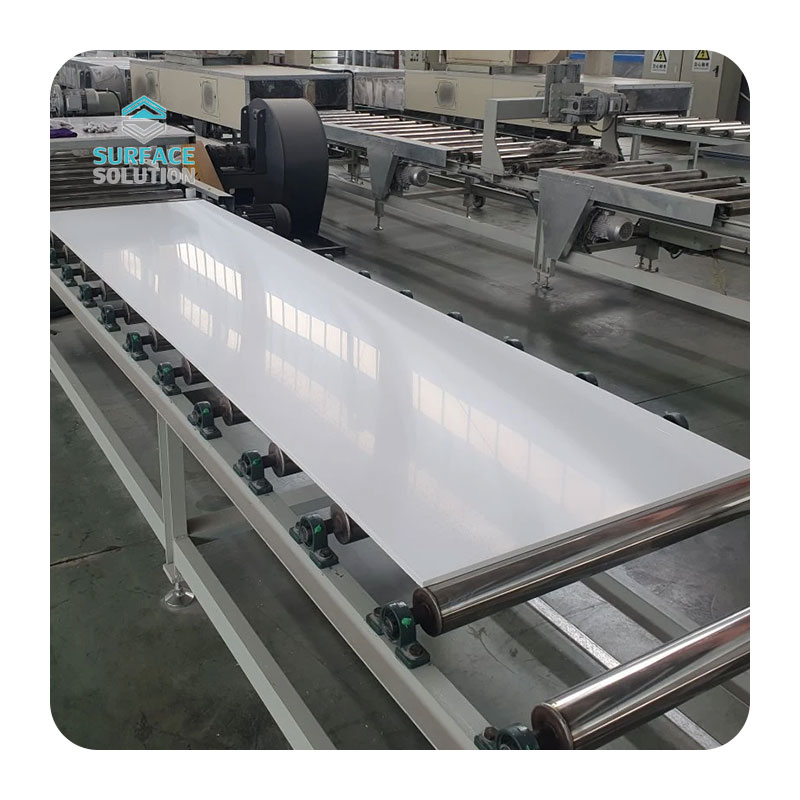
The acrylic resin acts as a binder, providing strength and flexibility to the material. Minerals are added to enhance its hardness and durability, while natural pigments are used to create a wide range of colors and finishes. The result is a smooth, non-porous, and thermoformable surface that can be easily shaped and customized to meet different design requirements.
One of the key advantages of acrylic solid surface is its aesthetic appeal. It has a seamless and homogeneous appearance, which gives it a luxurious and modern look. The material is available in a variety of colors, patterns, and textures, allowing designers to create unique and eye-catching designs. Whether you prefer a sleek and contemporary look or a more natural and organic feel, acrylic solid surface can be customized to suit your taste.
In addition to its aesthetic qualities, acrylic solid surface also offers excellent functionality. Its non-porous surface makes it highly resistant to stains, bacteria, and mold, making it an ideal choice for applications where hygiene is a concern, such as kitchens, bathrooms, and healthcare facilities. The material is also easy to clean and maintain, requiring only regular wiping with a damp cloth and mild detergent.
Another advantage of acrylic solid surface is its durability. It is highly resistant to scratches, impacts, and heat, making it suitable for use in high-traffic areas. The material can withstand daily wear and tear without losing its luster or integrity, ensuring long-term performance and value.


